Showing posts with label health tips. Show all posts

Sunday, January 5, 2014

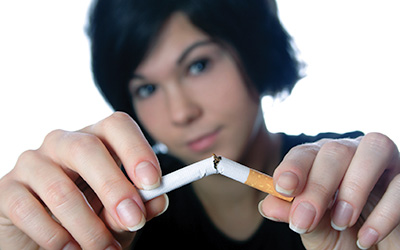
Give up Cigarettes and Gain No Weight

According to an article in Good Housekeeping Magazine, June 2010, giving up cigarettes doesn't have to mean gaining weight. Researchers from Northwestern University analyzed 10 studies involving 2,233 smokers, and found that those who watched the scale while quitting put on less weight (about 1.9 fewer pounds) after three months thant those who just cut out the cigarettes. Success in one area encourags more success in the other. So, attempting both at the same time not only could prevent dreaded weight gain, it could also up your chances of stopping smoking once and for all.

Saturday, July 14, 2012

Sweet Surprise


Sweet Surprise
According to an article in the July 2012 issue of Family Circle magazine, soda has become the biggest single source of added sugar in kids' diets.  But overall children still get more of the sweet stuff from food, a whopping 59%. 

The biggest culprits:
Treats eaten at home like cookies, doughnuts, candy and gum, followed by jellies, syrups and other toppings. 

 Fastest fix:
Cut back on the amount sugary snacks in your pantry.

Saturday, June 30, 2012

Tips On Managing Stress

According to the May 2010 Good Housekeeping issue, for those crazed, heart-racing moments, breathing deeply for a minute or so can lower your stress level. But to decrease overall anxiety and boost confidence, practice daily for 15 to 20 minutes (start with 10 and work your way up). Health experts at Harvard suggest three different methods; use whichever feels most comfortable to you.

1. Simple Break - Take a normal breath followed by a slow, deep breath, letting the air come in through your nose to fill your lower belly. Now breathe out through your mouth or nose. Alternate normal and deep breaths.

2. Hand on Belly - Put one hand just below your belly button and breathe deeply. Feel your hand rise about an inch each time you inhale and fall about an inch when you exhale.

3. Multisystem- Close your eyes. Imagine that each inhale washes relaxation into your body and each exhale carries tension away. To reinforce the effect, as you inhale say (to yourself), "Breathing in peace and calm" and as you exhale say, "Breathing out tension and anxiety."

Teach your children less stress techniques. It might help them in stressful situations to have breathing techniques to incorporate so they can learn to bring down their stress levels.

Sunday, June 24, 2012

Walk This Way

According to an article in the December issue of Parents magazine, each year 51,000 child pedestrians are injured. Kids are especially vulnerable because they move quickly and impulsively and they aren't good at judging an oncoming car's speed or distance, interpreting road signs, or spotting vehicles in their peripheral vision, says a new report from American Academy of Pediatrics. One study found that a third of parents allow their kindergartners to cross the street alone. Below are traffic-safety tips to keep in mind:

1. Cross the streets with kids under 10. (except in limited situations such as watching him cross a residential street). Use your judgment with older kids.

2. Be a stickler for traffic rules.

3. Work with your child's school to start a program that escorts kids.

4. Prevent back-overs by walking all the way around your car to check for children before getting in.

5. Don't let kids play in an alley, a driveway, or an unfenced front yard.

6. Talk to your city council about speed bumps or speed-limit signs.

Sunday, June 3, 2012

Have It Your (Healthy) Way

A new line of lighter meals is now on the menu at Burger King, according to an article in the May 2012 issue of Good HouseKeeping.  Pick up a Snack Wrap, Ranch Crispy Chicken, or one of three hearty Garden Fresh Salads.  But to keep your choice figure-friendly (and the saturated fat down), you still need to order it your way:
1.  Eat the wrap as a meal (not a snack)
2. Have the salad with the tender grill chicken
3. Use just half a packet of dressing
Your meal will be 425 calories or less, so have it your (Healthy) way!

Sunday, May 27, 2012

Rock to Sleep

According to an article in the June 2012  issue of Good Housekeeping magazine, to sweeten your summer siesta, head for the hammock.  When scientist at the University of Geneva monitored the brain waves of nappers on two different days.  One experiment had the subjects sleeping in a stationary bed, the other as they rested in a bed that slowly swayed from side to side.  They found that rocking helped participants go from awake to fully asleep 3.5 minutes faster on average.  It also had a surprisingly powerful effect on brain waves, leading to more time spent in deep, restorative shut-eye. 

The reason:
The part of the brain that receives information on motion and balance is stimulated by a swinging motion, which may reinforce the types of waves characteristic of deeper sleep, say the authors.  And thanks to the sounder rest, hammock hours might boost performance and well-being while you're awake.

Monday, May 21, 2012

Tip #69: Make a Wellness Kit for the Winter Months at School.


With all the germs that are pasted around schools in the winter months, a school wellness kit is a good idea. That brings us to tip #69.

Tip #69: Make a Wellness Kit for the Winter Months at School.

Kids, especially adolescents, will have little complications such as hangnails or a lost contact lens can grow into a BIG DEAL! Sent your child to school with a wellness kit recommended by Dr. Kate Cronan, pediatrician and medical expert for http://www.kidhealth.org/ . Most everything will fit into a shaving bag or toiletry bag. Check with the school office for a list of exactly what is allowed with a child or in a locker.

Wellness Kit:
1. Hand sanitizer
2. Travel-pack of tissue
3. Lip balm
4. Throat lozenges
5. Breath mints
6. Band-Aids
7. Soft nail file
8. Travel-size deodorant
9. Nonperishable healthy snack (trail mix, protein bar, etc)
10. Sunscreen for field trips/recess

Sunday, May 6, 2012

The Happiness Diet: Part 2

The Happiness Diet:
Part 2
According to an article on fitbie.msn.com, staying away from processed foods can have a positive effect on more than just your physical well-being

By Tyler Graham and Drew Ramsey, M.D.

Watermelon
The red flesh of watermelon is bursting with the powerful antioxidant lycopene, much more so actually than the tomato. Lycopene protects our skin from the intense summer sun and kills cancer cells. Studies show you can boost the levels of this important nutrient by up to 40 percent (and beta-carotene by 150 percent) by letting it sit outside the refrigerator at room temperature for several days.

Chili Peppers
Neuroscientists recently found that the brain is loaded with receptors for capsaicin, which is currently being investigated for its ability to regulate inflammation by influencing the expression of DNA. We also know that our brains respond to the heat of capsaicin by releasing endorphins, natural compounds that are related to morphine and have a calming effect. Capsaicin destroys carcinogens in our food like dimethyl nitrosamine, a preservative in cured meats, and vinyl carbamate, a cancer-causing agent in many pesticides. And capsaicin has been shown to protect the brain during liver failure. (13 Spices That Help You Lose Weight)

When we eat spicy foods, we release the same endorphins as when we exercise. Just like runners report a post-workout high, chile-eaters talk about a soothing, euphoric response to eating extremely spicy food.

Garlic
Garlic is the star of a family of vegetables known as alliums that include onions, garlic, and leeks. Alliums promote healthy arteries and ensure proper blood flow to the brain. These savory vegetables relax your blood vessels, decreasing your blood pressure, which prevents small strokes in the brain, a major cause of depression and dementia later in life.

Alliums are a top source of a key trace mineral for happiness known as chromium. It's needed for a proper response to the hormone insulin, which helps ensure you're not storing too much sugar as fat. But more than that, it influences the uptake of tryptophan, the precursor to the important neurotransmitter serotonin. It also enhances the release of the neurotransmitter norepinephrine. Chromium supplementation is effective in treating some depressed patients who struggle with low energy and carbohydrate craving. The more sugar in your diet, the more chromium your kidneys excrete, making it harder for insulin to function. Alliums lower blood sugar, and while we don't know exactly why, it may have to do with their high chromium content. Not only that, but the new science shows that allicin in garlic breaks up arterial plaques, essentially reversing heart disease. Garlic also thins blood, further protecting us from heart attack and stroke.

However you slice it, by adding garlic, onions, scallions, or any of the alliums to your daily diet, you'll be protecting your brain, lowering your risk of heart disease, and protecting yourself from the most common forms of cancer (especially of the mouth, throat, colon, and breast).

Saturday, May 5, 2012

The Happiness Diet: Part 1

The Happiness Diet:
Part 1


According to an article on fitbie.msn.com, staying away from processed foods can have a positive effect on more than just your physical well-being
By Tyler Graham and Drew Ramsey, M.D.

Wild Salmon and Shrimp
You've likely heard that fish is brain food, but you’ve likely not heard how wonderful it is for addressing funky moods. (Related: 6 Supersmart Seafood Choices) When studies compare the mood disorders in different countries, populations that eat the most fish have the lowest rates of depression, bipolar disorder, postpartum depression, and seasonal affective disorder (the winter blues).

These fats also seem to play a role in aggression. Young boys with lower levels of omega-3s have more temper tantrums and difficulty falling asleep.

Omega-3s have also been studies as a treatment for a variety of brain-based disorders. A 2008 study found fish oil to have equal efficacy to Prozac in the treatment of depression. Eating omega-3s has also been shown to alleviate the symptoms of depression in more than 60 percent of pregnant women.

Cherry Tomatoes
The same compound that makes tomatoes red, lycopene, helps maintain mood by preventing the formation of pro-inflammatory compounds (Search: What are pro-inflammatory compounds?), like interleukin-6, that are associated with depression. This magical molecule is also known to protect against a vast number of cancers (including breast, prostate, and pancreatic). In a study of elderly nuns, those with the most lycopene in their blood lived on an average a whopping eleven years longer than their sisters with the lowest levels. Organic tomatoes have three times as much of this molecule as conventionally produced ones.

Tomatoes are high in other mood enhancers like folate and magnesium, both used to treat depression. They contain iron, tryptophan, and vitamin B6: the main ingredients needed by your brain to produce important mood-regulating neurotransmitters like serotonin, dopamine, and norepinephrine. Add to this a high concentration of niacin, vitamin K, chromium, vitamin C, and potassium, and it makes sense that tomatoes protect us against choronic diseases like diabetes and heart disease. One way these nutrients work is by lowering homocysteine in the blood, a risk factor for depression, heart attacks, and strokes.

Tomorrow will be 3 more tips on the Happiness Diet

Sunday, April 29, 2012

Kitty Allergies

According to an article in the May 2012 issue of Good Housekeeping magazine, if your kids have other allergies it will make them three to four times more prone to react to a cat allergy.  A recent European survey of nearly 6,300 people were documented in this study.  But there is a solution:

1.  None of the kitty adoters who enforced a no-cat zone in their bedrooms became allergic, compared to 5% of those who gave Fluffy free run of the house. 

2.  Adults adopting cats were 40% less likely to become allergic if they'd had one as a child.

Sunday, April 22, 2012

Back Pain

According to an article in the April 2012 issue of Good Housekeeping, if the back pain won't quit, consider an alternative therapy.  Recent studies from the Group Health Research Institute in Seattle found that both Swedish massage and yoga significantly relieved chronic back pain.  After 10 treatments, of the 401 patients in the massage study, over 35% reported their pain was "gone"or "much better," compared with only 4% of those who continued with usual care.  Want a hand-off fix?  In another study, 12 yoga classes also brought relief, with 60% of patients reporting significant improvement.  Seek out a skilled practitioner or instructor, says senior investigator Daniel Cherkin, Ph.D.  For massage, try amtamassage.org.  With yoga, find a teacher who will make adjustments to help prevent injuries.

Saturday, April 21, 2012

Fruit: Cut-and-Dried Facts

According to an article in the April 2012 issue of Good Housekeeping Magazine, dried fruit can be handy stand-in for fresh on your morning cereal or in salads.  But just as the fruit shrinks when it's dried, so should your portion:  If your follow the government's standard serving size, calories go way up.  Vitamin C, however, which is sensitive to heat, drops.  Fiber can go up or down.  Our advice: Enjoy dried fruit as a condiment or snack, but keep your fresh fruit bowl full too.

Serving                      Calories            Fiber           Vitamin C
1 small apple                  77                  4                    12%
1/2 c. dried apple           104                4                      3%
3 medium plums              91                 3                     31%
9 dried plums                 205                6                       1%
3 medium figs                 110                4                       5%
9 dried figs                     188                7                       2%
1 c. grapes                     104                1                      26%
1/2 c. raisins                   217                3                       3%
4 fresh apricots                67                 3                      23%
1/2 c. dried apricots       157                 5                        1%

Thursday, April 19, 2012

Tip #65: If Your Child Shows Signs of Depression, Get Professional Help.

Years ago, depression was thought to be for adults only. Dr. David Brent, a professor of child psychiatry at the University of Pittsburg, states,"If you become depressed at 25, you have coping skills. But at age 11, there's a lot you need to learn, and you may never learn it." That brings us to tip #65.

Tip #65: If Your Child Shows Signs of Depression, Get Professional Help.

The dramatic social and biological changes that occur during adolescence are enough to cause even the healthiest teen to go over the edge, but when moodiness interferes with daily activities, it can be an early sign of depression. Warning sign for teen depression according to Ronald Dahu M.d. If five or more of these symptoms persist for two or more weeks, they may indicate teen depression:

1. Vague physical complaints, such as headaches

2. Frequent absences from school or drop in grades

3. Bouts of shouting or crying

4. Reckless behavior

5. Extreme sensitivity to rejection or failure

6. Loss of interest in friends

Depression rates jump after puberty, especially in girls. Up to 7% of severely depressed teens commit suicide. This is why it is important to recognize teen depression and get help for those who suffer with it.

Wednesday, April 18, 2012

Tip #64: Teach Your Children How to Have a Healthy Lifestyle By Living a Healthy Lifestyle.

According to an article written by familydoctor.org editorial staff, part of a parent's responsibility is to teach your children how to lead healthy lives. That brings us to tip #64.


Tip #64: Teach Your Children How to Have a Healthy Lifestyle By Living a Healthy Lifestyle.

The best time to start teaching these lessons to your children is when they are young, before unhealthy choices become lifelong bad habits. When you want to pass on healthy habits to your kids, it's important to practice what you preach. Just telling your kids what to do won't necessarily work. They need to see you choosing healthy behaviors too.

What can I do?
1. Pay attention to the kinds of food you buy and limit the amount of "junk food" your kids eat.

2. Serve a variety of healthy foods and use appropriate portion sizes.

3. Encourage your children to drink plenty of water or milk, instead of fruit or sugar drinks.

4. Limit the amount of time your children spend watching television, computer, or video games to a maximum of 2 hours or less a day.

5. Eat meals and snacks together, as a family, at the table and not in front of the television.

6. Make physical activity part of your family's routine. Take a walk, visit the community pool, or go for a bike ride together.

Saturday, April 7, 2012

Take a Nap

Take a Nap

According to an article in the April 2012 issue of Good Housekeeping magazine, to resist temptation researchers from McLean Hospital in Belmont, MA, hooked people up to functional-MRI machines and showed them pictures of high calorie goodies (like chocolate cake).  Those who had earlier reported daytime sleepiness had lower activity in "willpower-regulating" areas of the brain than when they viewed salad or fruit photos.  If you zzzz's get cut short, a siesta may help strengthen your resolve, says lead author William D.S. Killgore, Ph.D.

Sunday, March 11, 2012

The Rise of Eating Issues and Disorders

The Rise of Eating Issues and Disorders


According to an article from kidshealth.org, seeing the rail-thin models who strut down catwalks at fashion shows, you might think that eating disorders like bulimia or anorexia mostly affect women whose livelihoods are based on being thin.

But more and more, these problems are affecting people from all walks of life — and, unfortunately, many of them are kids. Of the almost 24 million Americans who suffer from an eating disorder, 95% are between 12 and 25 years old.

Experts report that more than 50% of teenage girls use "unhealthy weight control behaviors such as skipping meals, fasting, smoking cigarettes, vomiting, and taking laxatives."

But these disorders are not just a "girl problem" — 1 in 10 cases now involve males. Guys often develop problems with eating as a response to sports or fitness — for instance, developing bulimia to reach a certain weight for wrestling or swimming. Recognizing and diagnosing eating disorders in young men can be difficult due to the perception that these are "female" problems and the shame they might feel at having a condition associated with girls.

Eating disorders — primarily anorexia (self-starvation), bulimia (bingeing and purging), and binge eating (uncontrolled consumption of large amounts of food) — typically begin in the teen years and can be easy for some kids to hide. Compulsive exercise can accompany an eating disorder, so parents might attribute a teen's lean and toned build to that and not realize disordered eating is also part of the problem. In these instances, both components — the undereating and overexercising — are attempts to gain control over complicated feelings and emotions.

So how can parents spot an eating disorder and help their child recover and have a healthy relationship with food? Be aware of the physical clues — like extreme weight loss; obsessing over food portions, calorie counts, and weight control; fear of weight gain; social withdrawal; excessive exercise; regular trips to the bathroom right after eating; use of laxatives, diuretics, or enemas; and wearing baggy clothes to hide his or her physique.

If you think your son or daughter might have an eating disorder, it's important to get help right away. People with eating disorders can become seriously ill and even die. Doctors, mental health professionals, and dietitians can help a teen get treatment, recover, and develop healthy eating (and exercise) habits.

To help "inoculate" kids against developing a problem in the first place, parents can take the lead by setting a good example. Be sure to:
•serve and eat healthy foods in recommended portions
•don't put your own body down or focus on flaws
•if you're overweight, find healthy ways to achieve weight loss
•make regular exercise a family affair
•encourage everyone in your family to focus on their strengths

Reviewed by: D'Arcy Lyness, PhD
Date reviewed: December 2011

Friday, February 10, 2012

ADHA Symptoms


ADHD SYMPTOM
According to an article from xanapath.com the treatment ADHD Symptoms in Children, toddlers,adult, teenager and girl usually involves a combination of medication, education and behavioral intervention; however, ADHD Symptoms it is not unusual for parents to want drug-free options. One proven method is behavioral therapy, or what is also referred to as “psychosocial treatment.” This approach requires an experienced therapist or educator to teach specific techniques ADHD Symptoms in Children geared toward the child and their parents, as well as the child’s teachers and extended family.

While these methods are aimed at improving the child’s behaviors, they have also been known to improve the child’s symptoms and, therefore, some of the resulting problems. Unlike medication, this method takes more time, needs to have goals where achievements are measured in small steps, requires consistency throughout the day in whatever environment the child happens to be (school, home, friend’s house, others) and needs to be in force for the “long haul,” and not for just a few weeks. As you can tell, it is a method that requires the dedication of parents, extended family, teachers and the affected child.

When gearing up for this approach, it is important to identify which specific type of ADHD affects your grandson. For example, does he have the predominantly inattentive type? If so, he may be prone to many of the following symptoms:

* Is forgetful of daily activities

* Loses items on a regular basis

* Doesn’t seem to listen

* Has difficulty with organization

* Can’t focus or maintain attention

* Avoids tasks that require concentration

* Often makes careless mistakes

* Is easily distracted

* Has difficulty with following instructions

If your grandson has the predominantly hyperactive/impulsive type, many of these behaviors will be evident:

* Talks excessively

* Is pretty noisy when engaging in activities

* Is constantly on the go

* Has difficulty waiting his turn

* Doesn’t sit still

* Blasts out answers before the question has been fully asked

* Often interrupts others

* Climbs chairs, desks or runs about more than the “average” child

* Constantly moves his hands and feet when sitting

If he seems to have many characteristics from both of the above categories, he would then be diagnosed with ADHD, combined type.

In looking at the above symptoms, many parents may say, “My child does that.” However, in considering the diagnosis of ADHD, we are taking into consideration the following:

* Does the child show the behaviors on a more frequent basis than most other children?

* Do the behaviors create difficulty in at least two areas of their lives (home, school, social settings)?

* Have the symptoms persisted for at least six months?

Once the specific symptoms affecting the child are identified, behavioral treatment is designed to teach new skills to all those involved with handling the results of those problems. For example, if the child keeps forgetting to brush her teeth, the behavioral treatment would be aimed at establishing a routine to help her accomplish this task. If the child acts like a bully to other children, approaches for more effective interactions are designed to help him learn to be friends with his peers. I hope this is the best way ADHD Symptoms in Children .

About This Blog

This weblog seeks primarily to be a resource to parents and their children facilitating, "Empowerment & Personal Responsibility through Education."

This weblog is an extension of BestEducationPossible-theCommunity an online community dedicated to Parents and their efforts to empower their children through Education.


How to get the Best Education Possible for Your Child

How to get the Best Education Possible for Your Child
Click Picture to Buy It Now!

Blogger templates made by AllBlogTools.com

Back to TOP