Monday, June 14, 2010

How to Lock in the Memory

According to the July issue of Good Housekeeping Magazine, to help lock in the memory of something you've just learned, simply relax. For years, scientist have known that "sleeping on it" improves recall, but now researchers at New York University have used brain scans to show that a waking rest can also help you consolidate new memories and more accurately retrieve them when needed.

"Just because you feel you're not doing anything doesn't mean your brain is also idle," says senior author Lia Davachi, PhD. "Really important memory processes occur while you rest." A good rationale for grabbing a cup of coffee after a meeting or lecture? Perhaps, but it's the vegging out that's important: Instead of chatting with or surfing the Web while you sip, let your mind wander for 10 minutes so the new info can percolate through your brain. Better yet, why not teach your children to relax and learn!

Sunday, June 13, 2010

Summer Project Plan

In the July 2012 issue of Good Housekeeping Magazines, Marnie Soman suggest that during downtime, nudge your kids to create a family history. She states that it will not only capture important info on your family, but it's also a terrific way to get the generations bonding. Below are a few suggestions:

1. You can go low or high tech: Your child can call Grandma and take notes as they talk.
2. They can chat with Uncle Ted via iChat (on your Mac).
3. Google Voice (which works with your existing phones) and record the conversation.
Here are the favorite questions to get the dialogue going, courtesy of StoryCorps (storycorps.org) a nonprofit that's recorded more than 30,000 stories of American life that are now in the Library of Congress:

1. How has your life been different from what you'd imagined?
2. What was my mom and dad like when growing up?
3. What's your very first memory of me?
4. How would you describe a perfect day when you were young?

Just get started and the ideas will come while you and your children begin to capture the history of your family.

Saturday, June 12, 2010

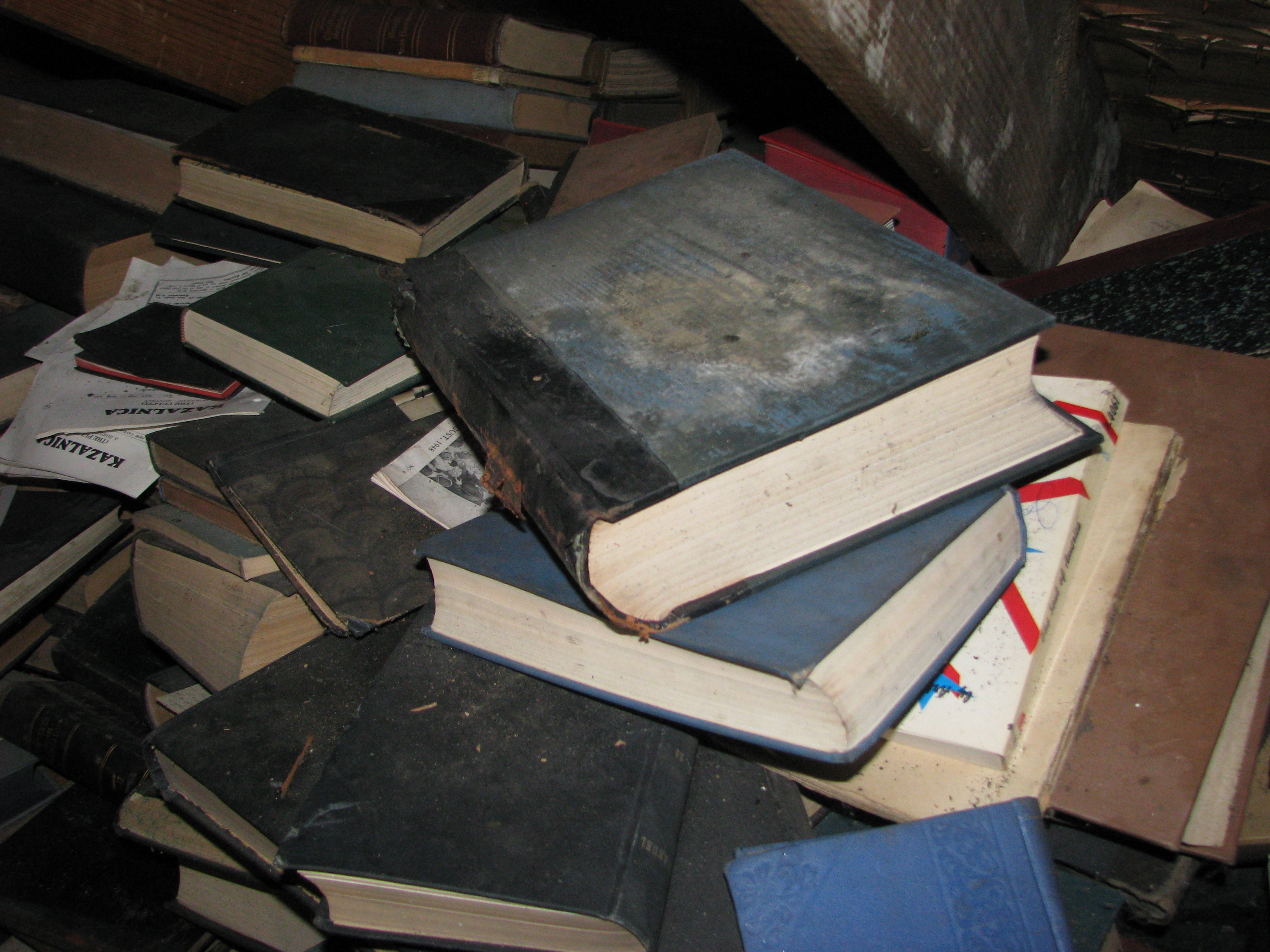
How to Save Mildewed Books

I was reading Ask Helosie in the July 2010 issue of Good Housekeeping Magazine and a retired kindergarten teacher asked her about some old storybooks she had stored in her basement for her first grandchild. When she went back to look at the books she noticed they had a mildewy smell, but did not notice any mildew on them. Helosie gave her three very good suggestions on getting the mildew smell out of the books.

1. Fan open the pages, sprinkle in some baking soda, and set the books outside in the sun until the smell is gone. (this may take a couple of days, so bring them in at night; also she said not to try this with antique or delicate books). Shake out leftover baking soda and brush off the pages with a microfiber cloth.

2. Put each book (without the baking soda) in an open plastic bag and place it inside the freezer for a few days.

3. Put some activated charcoal (sold for fish tanks)which neutralizes bad odors. Put some in a plastic tub (from margarine, yogurt, etc.); poke holes in the lid. Place this and a few books inside a large plastic storage container for several days or until your books smell fresh.


"The freezer method worked best for me," Gregerson told Helosie after a week of testing. She now stores the books in a better place.

Friday, June 11, 2010

Nature Smart Children Looking to the Future

So what can your child do with their Nature Smarts when they get older? A lot of very different things. Some of the careers he/she might look at are below according to Thomas Armstrong, PhD.:

1. animal trainer
2. archaeologist
3. astronomer
4. beekeeper
5. biologist
6. botanist
7. chef/cook
8. ecologist
9. entomologist (someone who studies bugs)
10. environmental/ecological advocate
11. farmer
12. fisher
13. forensic scientist
14. forest/park ranger
15 gamekeeper
16. garden nursery owner/ employee
17. geologist
18. herpetologist (someone who studies reptiles such as lizards, snakes, and crocodiles)
19. landscape designer
20. marine biologist
21. mountaineer
22. sailor
23. tree surgeon
24. veterinarian
25. zookeeper

Thursday, June 10, 2010

What If You're a Nature Smart Natural?

Maybe your child has been a vegetarian since the age of 6, takes care of the family cat, and recycles anything he/she can get their hands on. What else can you do? Your child can always learn more about environmental causes around the world and take advantage of volunteer opportunities where you live. Your child's Nature Smart skills can help build the other intelligences. Below are some Nature Smart ideas you can help your child understand and develop the other intelligences in school and in life according to You're Smart Than You Think, by Thomas Armstrong, PhD.
1. Word Smart: Raise awareness about environmental causes that are important to the child by encouraging him/her to making presentations in class, writing letters to the editor, or making up raps. Your child can write poetry about the favorite things in nature or keep a journal about what he/she observes in nature.
2. Music Smart: Your child may already hear music in nature, so try having him/her listen for nature in music. Let nature inspire your child to make music with improvised instruments ( Example - sticks, stones in a container, or water in a glass).
3. Logic Smart: Ask your child questions about and look for answers in nature. Those observation skills that makes your child so good at solving math or logic problems. Or he/she can combine math and logic with nature by looking for examples of math and patterns in nature and then researching to come up with their own theories.
4. Picture Smart: Have your child pay attention to what they see in nature. (Example - colors, patterns, and textures). Suggest your child use these things in nature to practice art skills (Examples - favorite flowers, make a model of a favorite place in nature, or draw your cat or dog).
5. Body Smart: Encourage your child to get out in nature as an excuse to get some exercise. (Examples - hike, bike, run, skate, or walk in nature). There are other ways to get active in nature like digging a garden, training a dog, or helping to clean up your favorite park where he/she plays or runs.
6. People Smart: You can have your child use the things that are important to him/her like animals, the environment, or gardening to reach out to others. A good way to get started is by volunteering time and energy to work with others on environmental causes.
7. Self Smart: Have your child use nature to help him/her to understand what they are feeling. Have your child pay attention to what he/she is thinking about the next time they are taking a walk in nature.

Wednesday, June 9, 2010

What If Your Child Is Not Wild About Their Nature Smart Skills?

Maybe animals makes your child nervous, and camping makes him/her queasy. The most important thing is that your child can become more Nature Smart by being observant. Encourage your child to notice everything around him/her. Being more observant will not only help your child become more Nature Smart, it can give him/her writing ideas and inspire the other intelligences. Your child can always use the smarts they are strongest or most comfortable in to become more Nature Smart according to Thomas Armstrong, PhD.:

1. Word Smart: Get closer to nature by reading about or reading stories with animals as characters. If your child wants to write a story encourage him/hr to write about nature settings or environmental issues.
2. Music Smart: Let your child listen to music in natural sounds like wind blowing, birds singing, or even cars whooshing by.
3. Logic Smart: Have your child look for patterns, numbers, and logic in nature. Nature also provides a lot of opportunities to solve problems in real-world settings.
4. Picture Smart: Your child can use natural materials in their art projects. Leaves, flowers, seed pods, and feathers are just a few things they can use for art.
5. Body Smart: Take your child for a walk, jog, in-line skating, or biking through the neighborhood, a state park, or another area with family or friends. It can be a lot of fun visiting new places or nature areas and get some fresh air.
6. People Smart: Your child can combined their love for people with nature by enjoying the outdoors with others. Go hiking or for a walk with friends in a local park.
7. Self Smart: Nature can be a great place for your child to think about what's important to him/her. Bring a journal or sketch book along to write down any thoughts about nature and what he/she sees.

Tuesday, June 8, 2010

How Can My Child Become More "Nature Smart"?

According to You're Smarter Than You Think, by Thomas Armstrong, PhD., here are some ways that you can help your child enjoy and expand their Nature Smart skills. Try any activity that appeals to your child no matter how Nature Smart you think he/she is:
1. Notice nature wherever you are. Maybe watching ants being industrious on the playground blacktop, noting the different flowers and vegetables growing in the community garden, enjoying the changing of the leaves.
2. Plant something and watch it grow. Your child can plant flowers, a pepper plant, or any plant that interest him/her.
3. Lie down in the yard and look at the sky. On a sunny afternoon, notice the different kinds of clouds in the sky.
4. Look at the sky on a clear night. What color is the sky? Look at the moon and see if your child can tell what stage it's at.
5. If your child looks at the stars, have him/her learn the constellations.
6. Start a garden. If you don't have a yard, try growing a window-box garden of flowers or herbs. Start a community garden with other kids or grown-ups.
7. Go bird watching. Get some binoculars and go out to the wooded area near home or school and observe the different types of birds.
8. Watch nature shows on television. Nature, Nova, and National Geographic on PBS are good places to start.
9. Read books and magazines about nature. Look for books about animals, dinosaurs, or rain forest (or any part of nature your child is interest in).
10. Get involved with an environmental organization. You can work with local groups.
11. Volunteer for a "green" school or community project. Work with a recycling program or raise awareness about saving the rain forest.
12. Take care of a pet. Suggest your child is in charge of raising and taking care of a family pet or classroom pet.
13. Build your own ecosystem. Put together an aquarium, terrarium, ant farm or some to her portable ecosystem with your child.
14. Look at the ground beneath your feet. Your child can learn a lot about where you live from the dirt and rocks.
15. Start a collection. Bugs of all kinds, leaves, flowers, and rocks can be good things to collect.
16. Learn how to cook. There are lots of fun things your child can learn to make and cook.

About This Blog

This weblog seeks primarily to be a resource to parents and their children facilitating, "Empowerment & Personal Responsibility through Education."

This weblog is an extension of BestEducationPossible-theCommunity an online community dedicated to Parents and their efforts to empower their children through Education.


How to get the Best Education Possible for Your Child

How to get the Best Education Possible for Your Child
Click Picture to Buy It Now!

Blogger templates made by AllBlogTools.com

Back to TOP