Saturday, October 31, 2009

The Joy of Teaching

I love to watch them run and jump,
and oh how they do grow.


I love to look in their eager eyes,
to see how much they know.


I love the way they rap their arms,
around and hold you tight.


I love the times they talk too much,
to say what they think is right.


I love to help them learn the things,
to guide them along the way.


I love the way they skip and jump,
never stopping for a day.


I love to teach them all the things,
they will need for future times.


I love to watch them discover words,
and use them in print and rhymes.


I love the joy of teaching them,
as they grow inquisitive in every way.


I hope to teach them the purest truths,
by simpling loving them every day.
By: Debra E. West

Friday, October 30, 2009

Choose Peace

There's two sides of life,

It's the good and the bad.
Sometimes life brings happiness,
Sometimes life is sad.
It's all in how you handle,
life's ups and downs,
Whether you carry a big smile,
Or a constant sad frown.
When I look back,
over the good and the bad,
I wonder if I remember,
the blessings I've had.
So, in counting all my blessings,
I find unbelievable grace,
I stop complaining,
and put peace in sad's place.
Happiness waits inside you,
To give you peace of mind.
Sadness will creep in the darkness,
to try to steal peace every time.
So keep happiness in great abundance,
remember the battles you've already won.
Choose peace to live inside you,
and cherish joy as your bond.


by: Debra E. West


Thursday, October 29, 2009

Know Your Child's Intelligence

I hope you learned something about your child's learning style while reading the series on Howard Gardner's Multiple Intelligences. Dr. Gardner researched and found out that children and adults seem to learn and show how smart they are in a lot of ways. He also noticed that different parts of the brain seem to be tied to the different ways of being smart. Most people have some portion of each of the intelligences, but usually one or two of the intelligences will be more dominate. Review each of the 8 intelligences carefully, and try to decide which one or two is the most dominate in your child. Then, talk to your child and tell them their strengths and weaknesses. Finally, have them participate in strengthening the weaker intelligences and have fun and take advantage of the dominate ones. This should be a fun thing to do with the entire family.

Teachers today are aware of these findings on Multiple Intelligences. They should be using them in their daily instruction. If your child is having difficulty with learning, it could be the way the material is being presented. Talk to the teacher and let him/her know that you are aware of your child's learning style. Maybe you both can come up with a plan together to help your child succeed. If you or the teacher feel the problem is more serious, don't hesitate to have the child tested and evaluated as soon as possible. The earlier a problem is diagnosis and treated, the better the results. There are so many new findings and treatments for learning delays, disabilities, and other interferences.

Starting Sunday, November 1st, I am going to do a series on the three learning styles. It will be very informative and will help you and your child understand exactly learning takes place and how to be successful academically. Please write me if you have any questions or topics of interest and I will try to answer or find an answer to your questions. I wish you the best education possible for your child and loved ones.


Debbie

Wednesday, October 28, 2009

The Naturalistic or Nature Smart Child

The naturalistic or nature smart child is curious about and understands the environment we live in. They notice what is around them and enjoy identifying and classifying things like plants or animals. This intelligence was not part of Gardner's original theory of Multiple Intelligence, but was added in 1997. Children and adults with this intelligence have a greater sensitivity to nature and their place within it. They love animals, usually have a green thumb, care about nature and the environment causes, like going to the parks, zoos, and aquariums, enjoy hiking, camping. Nature smart people have a good memory for the details of places where they have been and remember names of animals, plants, people, places, and things in the environment or nature.
Careers suited for those who are dominate naturalistic or nature smart include scientists, naturalists, conservationists, gardeners, and farmers.

If you would like to expand your child to be more naturalistic or nature smart you can:
1. Point out nature wherever you are.
2. Plant something and watch it grow.
3. Lie down in your yard together and look at the sky during the day and night.
4. Go bird watching.
5. Watch nature shows on television.
6. Read books and magazines about nature.
7.Get involved with environmental organizations.
8. Take care of a pet.
9. Build your own ecosystem.
10. Start a collection.


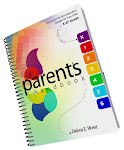
If your child is naturalistic or nature smart it is important that solve logic problems and games, get involved with a team sport or take dance classes, play an instrument, read books of interest, take photography lessons, keep a journal or diary, and meet new people. For more information on naturalistic or nature smart children read, "You're Smarter Than You Think", by Thomas Armstrong, PhD. For more information on how to get involved in your child's education, purchase my book, "A Parent's Handbook: How to Get the Best Education Possible for Your Child K-6 Grades". To purchase the handbook/workbook order from http://www.besteducationpossible.com/ or http://www.amazon.com/ .

Tuesday, October 27, 2009

The Interpersonal or People Smart Child


The interpersonal or people smart child has to do with the interaction with others. Children or adults who are highly interpersonal or people smart tend to be outgoing. They are sensitive to other's moods, feelings, and have the ability to cooperate as a part of a group. They typically learn best by working with others and enjoy discussion and debate. Interpersonal people like watch people, make friends easily, offer to help when someone needs it, enjoys group activities, feels confident when meeting new people, like to organize activities for friends, enjoys getting people to see things their way, and enjoys volunteering for causes that help other people.

Careers that suit those with dominate interpersonal or people smart intelligences include sales, politicians, managers, teachers, and social workers.

Some things you can do to help your child become more interpersonal or people smart are:
1. Keep a list of your friends and their telephone numbers.
2. Meet new people.
3. Volunteer to help others.
4. Run for election in student government.
5. Tutor someone.
6. Spend time with friends and family.
7. Practice meeting friend with family members or someone you trust.
8. Make the most of cooperative learning.
9. Start a club or group that has like interest.
10. Go to public places and watch people and notice their body language and expressions.

Interpersonal or people smart children need to learn to work alone. Encourage them to read books of interest, take up an instrument, play sports like tennis, golfing, or swimming where they must depend on themselves, take art lesson, keep a journal or diary, play logic games, or computer games. For more information on the interpersonal or people smart child read, "You're Smarter Than You Think," by Thomas Armstrong, PhD. To find out ways to get involved in your child's education purchase my book, "A Parent's Handbook, How to Get the Best Education Possible for Your Child K-6 Grades. To order the handbook/workbook go to http://www.besteducationpossible.com/ or http://www.amazon.com/ .

Monday, October 26, 2009

The Intrapersonal Child - Self Smart


The intrapersonal or self smart child has the ability of being self-reflective. Those who are strongest in this intelligence are usually introverts or prefer to work alone. They are highly self-aware and capable of understanding their own emotions, goals and motivations. They learn best when allowed to concentrate on a subject by themselves. They can be perfectionist, like to set and meet own goals, stand up for their beliefs even if not poplar, worry less about what people think of them, know how they are feeling and why, enjoy keeping a diary or writing a journal, have a good sense of who they are, and think about the future and what they want to be someday.

Careers suited for the intrapersonal intelligence include philosophers, psychologists, theologians, writers, and scientist.

To help your child become more intrapersonal or self smart have them:
1. Ask yourself, "Who am I?"
2. Keep a journal.
3. Make a list of thing you do well.
4. Set goals for yourself.
5. Put together your autobiography.
6. Remember your dreams.
7. Read self-help books.
8. Do something you love.

It is very important for intrapersonal or self smart children to learn to work cooperatively with others, take up a sports team and get physical exercise, learn an instrument or join a choir, read books of interest, volunteer to help someone or a cause, or take a hike in nature with family or friends. To find out more information on the intrapersonal or self smart child read, "You're Smarter Than You Think," by Thomas Armstrong, PhD. For ideas on how to get involved in your child's education purchase my book,"A Parent's Handbook: How to Get the Best Education Possible for Your Child K-6 Grades. Order the book at http://www.besteducationpossible.com/ or http://www.amazon.com/ .

Sunday, October 25, 2009

The Musical Child


The musical child learns by rhythm, music, and hearing and they really love music. Those who have a high level of musical-rhythmic intelligence displays greater sensitivity to sounds, rhythms, tones, and music. These children and adults enjoy singing , listening to music, play an instrument, remembers melodies or tunes easily, hear the differences in instruments, make up or write their own songs, and can remember facts by making up a song for them. Those who are strong musical intelligence can learn best by lecture. Our culture doesn't put such a great importance on being smart with music. Many people think it's a nice talent to have, but don't consider it an intelligence, but it is and shouldn't be overlooked.

Careers suited for this intelligence include instrumentalists, singers, conductors, disc-jockeys, orators, writers, and composer.

Here are some ways to expand your child's experiences with the musical intelligence that will be enjoyable:

1. Listen to as many different kinds of music as you can.
2. Sing with your family or friends.
3. Play musical games whenever you get the chance.
4. Get involved in music at school.
5. Learn to read music and learn to play an instrument.
6. Become more aware of the music around you.
7. Compose a song or musical piece.
8. Start a band.

If you have a child that shows dominates in musical intelligences make sure they play an instrument, sing in a choir, write music and develop that part of them. They should also develop the other part of their brain by write poems and stories, take up a sport, play logical games, take art classes, and go outside and hear the music in nature. To get more information on the musical intelligences read, "Your Smarter Than You Think", by Thomas Armstrong, PhD. or google multiple intelligences. If you want to get more involved with your child's education purchase my book, "A Parent's Handbook: How to Get the Best Education Possible for Your Child K-6 Grades". You can purchase my book at http://www.besteducationpossible.com/ or http://www.amazon.com/ .


About This Blog

This weblog seeks primarily to be a resource to parents and their children facilitating, "Empowerment & Personal Responsibility through Education."

This weblog is an extension of BestEducationPossible-theCommunity an online community dedicated to Parents and their efforts to empower their children through Education.


How to get the Best Education Possible for Your Child

How to get the Best Education Possible for Your Child
Click Picture to Buy It Now!

Blogger templates made by AllBlogTools.com

Back to TOP